

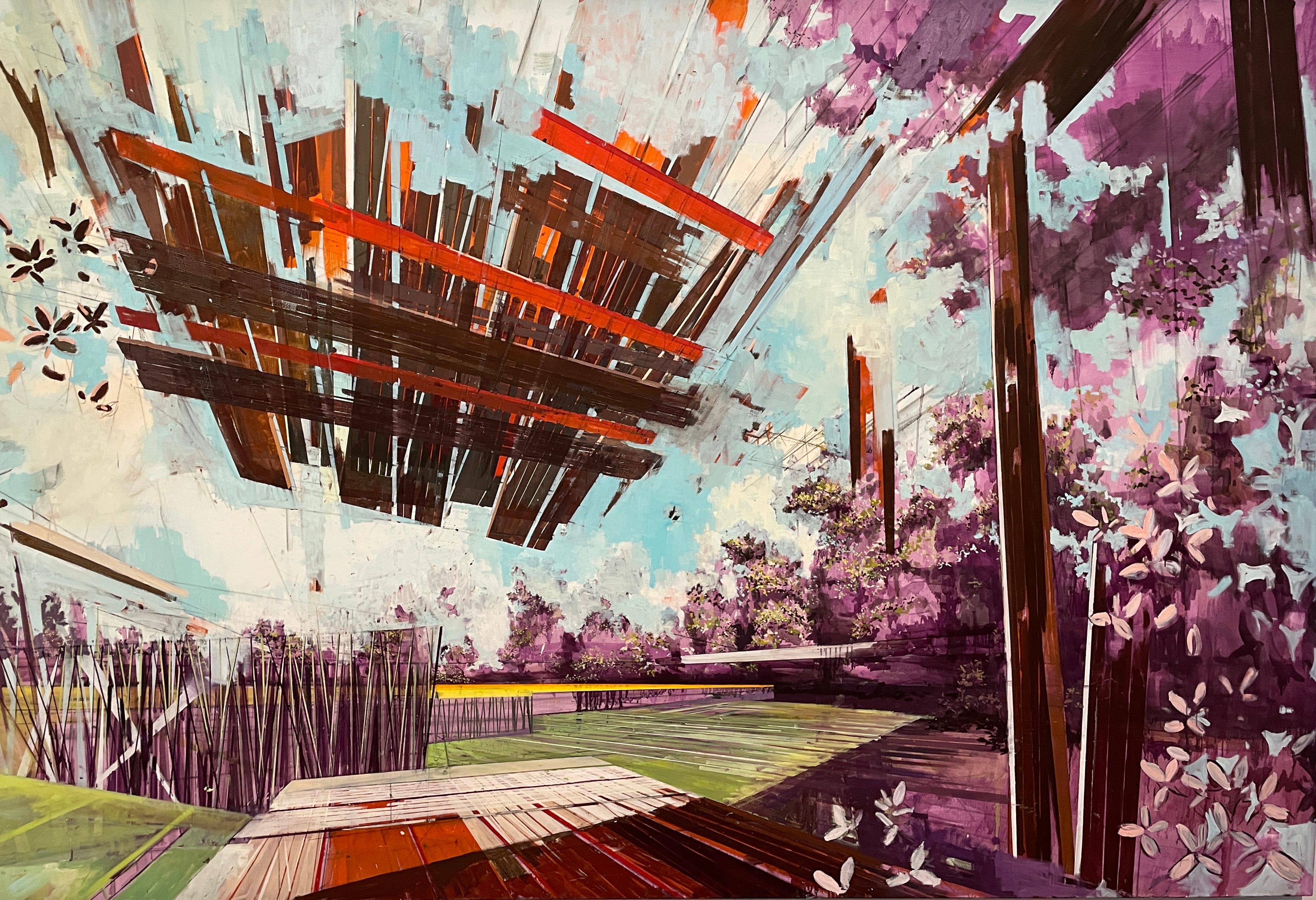
A few months ago, my good friend Jay and I caught up on Zoom, and we agreed that it was time to stop talking about the future.
Partly this is because we are at last surrounded by many of the 20th century’s most popular signifiers of futurity. Video calls are daily occurrences/annoyances. Robot Waymo cars roll up and down my block every few minutes. Biking across campus usually means swerving around little Starship delivery bots too. AI is omnipresent, appearing constantly on the news, in departmental emails, my students’ papers, in overheard conversations. Strange things are happening to the economy, to geopolitics, to human relationships. If you were writing a novel 70 or 50 or 25 or even 10 years ago and wanted to show-not-tell the reader that it took place in The Future, casually mentioning self-driving cars, delivery robots, AI girlfriends, and threats of a US invasion of Greenland would get you there pretty quick.
Of course, a lot of this stuff feels banal or even grotesque when experienced in real life. The arrival of futurity does not seem to come in on a tide that lifts all boats, but rather brings inequality, precarity, anxiety, and isolation. As I’ve often argued, high tech/low life sounds cool in theory, but most of us don’t get to be cyberpunk hackers or street samurai. Most of us are downtrodden cyberproles.
Many of these tech developments often seem to be pushed by their fans, funders, and creators because they signal futurity, rather than because they are actual useful or have real value. There is a kayfabe to the whole tech industry at the moment. I’ve read arguments that humanoid robot servants are not so much real products themselves but a kind of marketing strategy for much less humanoid factory automation robots. General purpose chatbots burn a lot of money, but they also put on display computational prowess that helps AI firms sell the more Normal TechnologyTM uses of LLMs and machine learning. Uses like replacing call center workers with chipper bot voices, replacing human software engineers with stables of “vibe coding” agents, and facially recognizing immigrants and dissidents for targeting by secret police.
The point is, these sorts of things are no longer a way to superficially signal that you are talking about The Future, because they now exist in the present. Space travel is still a sure bet signal of futurity, but, as we all know, space is dead. Until we develop new signifiers, telling stories about The Future/futures will be significantly harder and more finicky.
This future-present is also so damn weird. Yes, there’s the immense evil and stupidity steering the US government and the post-culture war discontent brewing in response. But there’s also an off-the-map feeling in tech, in education, in entertainment, in our brains and souls. The flows of money that keep our world semi-functional are now swirling through massive alien abstractions like the Nvidia gyre that are hard to understand using traditional economics or labor-value theory. It’s unclear to me whether those abstractions are bubbles or scams or just how the economy is now, some emergent property of an increasingly complex tangle of global systems.
Our current moment feels less like a set of trend lines that could be neatly extrapolated into various potential futures and more like a bundle of tensions that could each resolve one way or another at any moment.
That’s a hard vantage to make predictions from. I’ve found it difficult to write or even read futuristic sci-fi lately. Instead I’m working on alternate histories, alternate presents, post-rupture imaginaries that aren’t tied to a temporal trend line. That’s the same mindset that produced my soon-to-be-released novel Absence, which in my head takes place not in the near future but in a kind of eternal 2020.
There is one meaningful way in which I’ve seen people evoke The Future lately: as a site of restored rationality from which folks will shake their heads about the insanity of the present. Consider this post:
There have been a lot of posts like this, imagining how future people will compare gambling to lead paint, AI to cocaine, 2025 to 1933. It’s a way of saying both “we don’t know how bad it’s going to get” and also “how can we not see how bad it’s going to get?” Perhaps the most famous post of this type was Omar El Akkad’s now famous Gaza tweet-cum-manifesto One Day, Everyone Will Have Always Been Against This.
There’s a promise of catharsis here, even if it is, in a way, catharsis through humiliation. We want to be humiliated by the future, because that means this too shall pass. The insanity one day stops, the grownups are put back in charge, perhaps even a bit justice is meted out, however little or late. Humiliation means what we’ve done isn’t permanent, that we haven’t doomed our descendants with our bad choices. Humiliation is the hope that this isn’t the way everyone has to live forever, because we don’t particularly want to live this way right now.
Good sci-fi of course has always been more about the present than the past, but I think there is something uniquely contemporary about this retrospective approach. I used it myself in my recently published story “Pursuant to the Agreement,” which is framed as a collection of documents in a future museum exhibit, interspersed with commentary from a somewhat snarky curator who fills us in on what the authors of those documents didn’t know was coming.
So yes, the future is here, the future is weird, the future is shaking its head at us — or so we hope.
Preorder Absence: A Novel (+Giveaway)
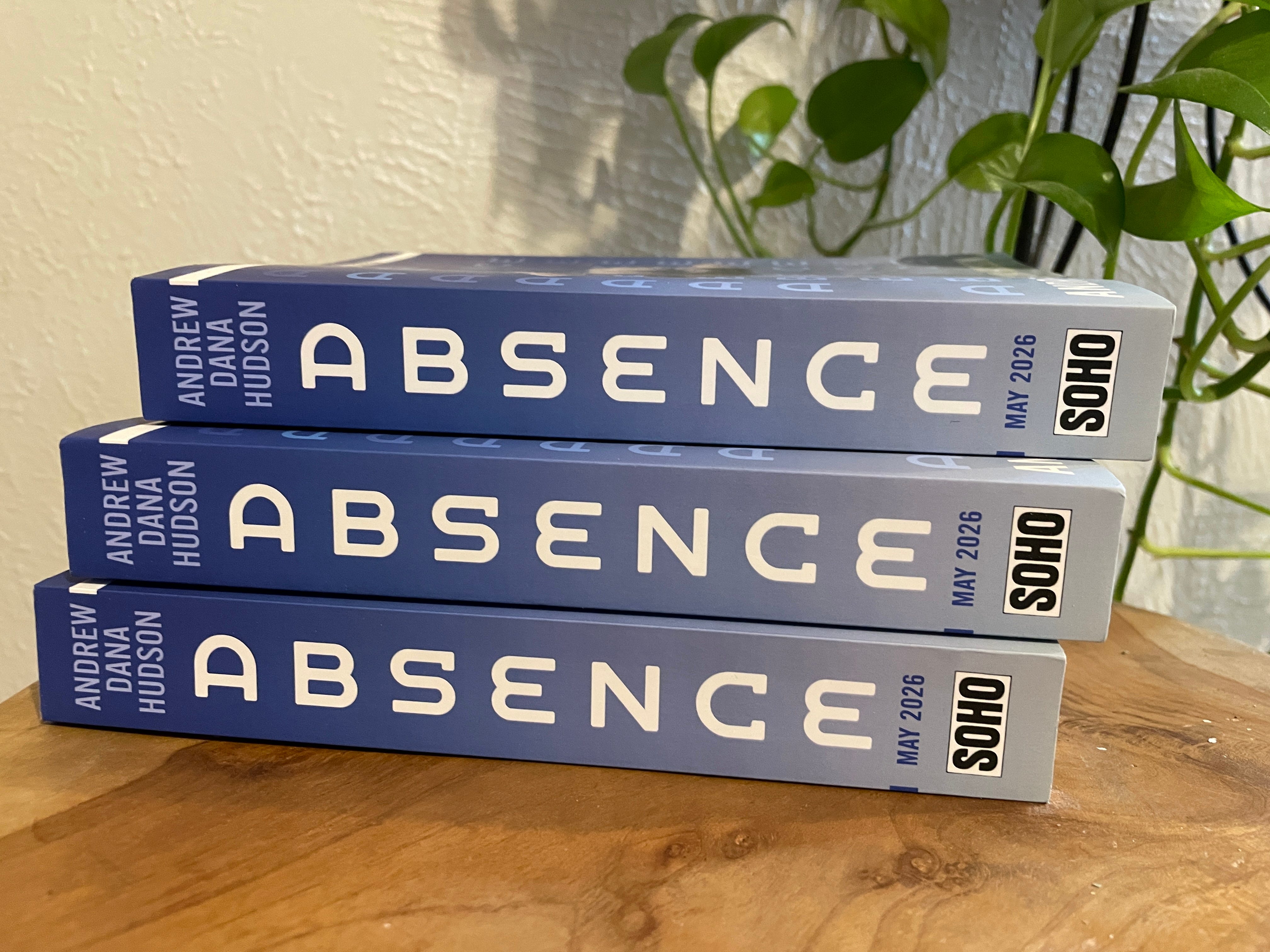
Feels wild to say it, but Absence: A Novel comes out in just over two months. Kirkus gave it a lovely review, calling it:
“A haunted story about unfinished lives, the persistence of hope, and the consequences of grief without end.” - Kirkus
The whole review offers a nice glimpse into the premise and themes of the book, so check it out if you don’t mind a bit of spoilers.
We’re getting the book tour squared away, and I should have an initial schedule to share sometime next month. I’ve also been alerted that, if you’re in the US, you can enter a giveaway on Goodreads to win one of 25 copies. The giveaway closes Feb. 26, so get in soon if you’re interested.
Or just give it a preorder. You can get it from pretty much any retailer, including your local bookshop.
Next Month: A Book Club
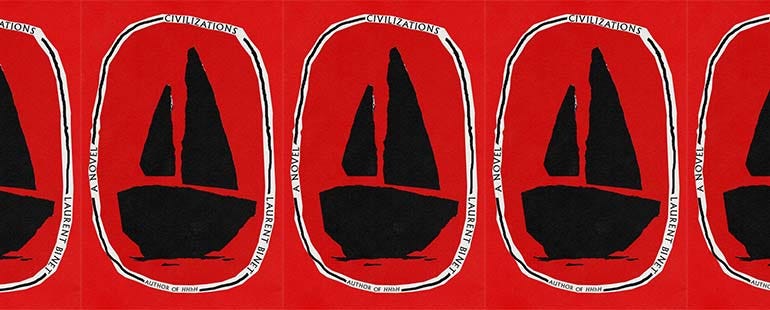
In March, I’ll be posting a multi-week book club discussion with my friend Lizzie Wade, who I collabed with for the Against Thermocolonialism post last year. We’ll be talking about Civilizations: A Novel by French author Laurent Binet (translated into English by Sam Taylor). This alternate history novel imagining the Inca conquest of Europe is one of my favorite books I’ve read this decade.
If you’d like to read along in advance of our discussion, that would be wonderful! We’ll be talking about the first two parts (about 50 pages) on 3/8, then about half of part three (up to about page 138 in the English language hardback edition) on 3/15, and hopefully wrap up the rest of the book on 3/22.
Regardless of whether or not you’ve read the book, I think it will be a really interesting discussion about how we understand history — and alternate history! So see you next month!
News, Reviews + Miscellany
In Locus Magazine, Maria Haskins gave my story “The Love Pyramid: A Rocky Cornelius Consultancy” a nice review, calling it “a hoot” that “finds just the right balance of satire, zany hijinks, and social commentary.”
I was quoted in this cool writeup on solarpunk in Mother Jones by Clive Thompson, whom I talked to some months back.
Publishers Weekly topped Absence in this list of upcoming speculative mysteries.
I’ll be at AWP in Baltimore soon, March 4-7. If you’re going to be around, please reach out. I’d love to say hi!
Art Tour: Neon Landscapes
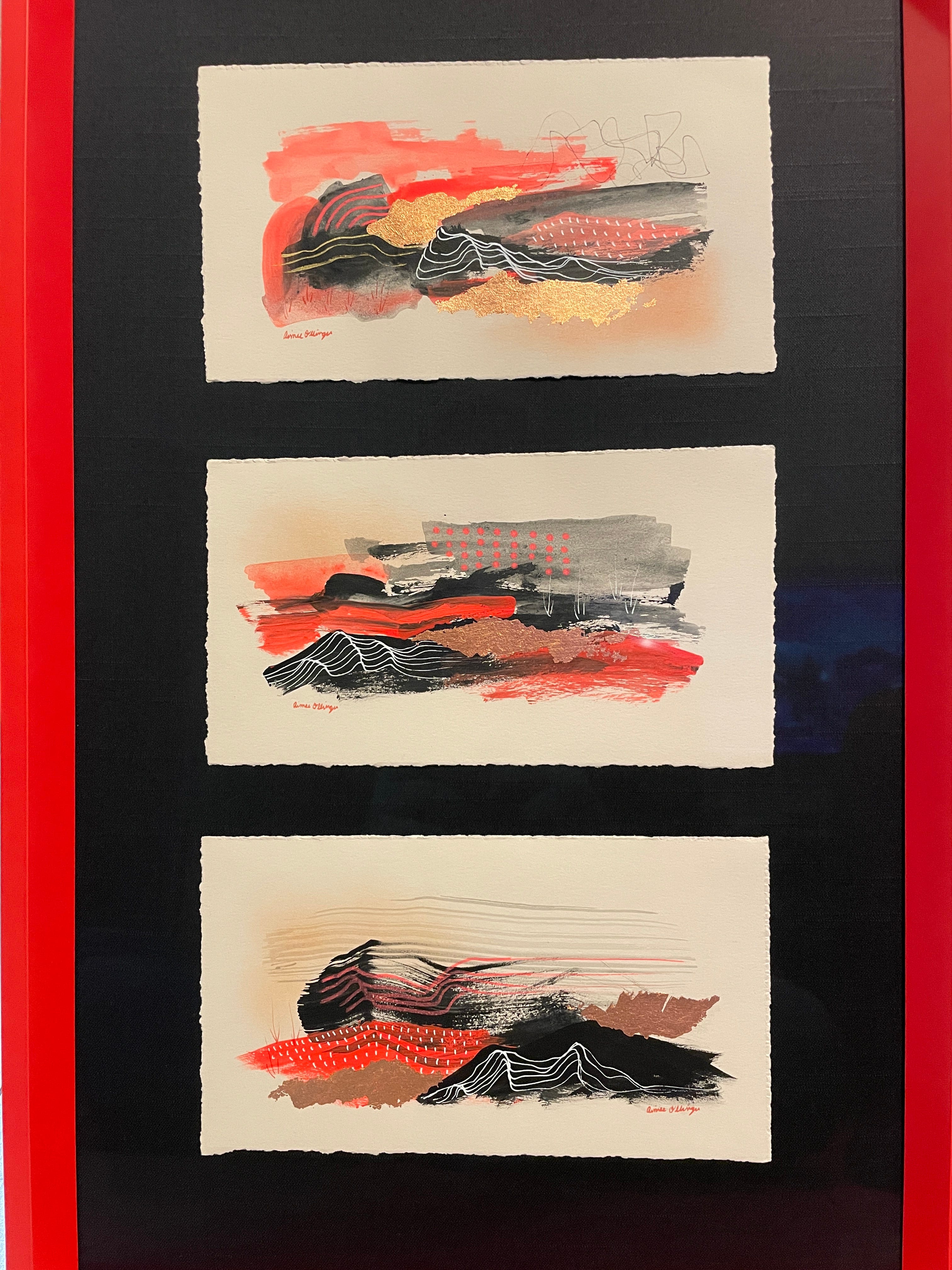
I’ve featured local artist Aimee Ollinger before in this newsletter. After doing so, I ended up reaching out to Aimee, and she was gracious enough to invite us to come see her studio and learn about her process. They say you should never meet your heroes, but I absolutely recommend meeting artists you like. Usually they turn out to be kindred spirits in some way, and this was indeed the case here.
So of course we walked out with a few pieces, gifts from me to C and from C to me and from both of us to my dad. We’ve now gotten all of these works framed, including the trio of small, colorful landscapes above, which we had framed as a triptych.
These are very evocative to me of the mountains around Phoenix, the way they sit with the sky and the city and the desert, overflown by landing airplanes and lit up with radio towers. Now we just need to find the right place on our wall…